Expedition Guide
Choosing the Right Trek for You
By Himalayan Terrain Team1 min read
A definitive guide to navigating the diverse landscapes of the Himalayas, balanced between physical discipline and cultural immersion.
Trekking through the Himalayas is a transformative experience, offering a profound connection with nature and a test of personal resilience. However, the success of such an odyssey hinges entirely on selecting a trail that aligns with your physical capabilities and mental expectations. With routes ranging from gentle cultural walks through rhododendron forests to grueling expeditions over high-altitude passes, the choice can be overwhelming. To find your ideal path, you must look beyond the glossy photographs and conduct an honest assessment of your fitness, experience, and what you truly seek from the mountains.
Assessing Physical and Technical Thresholds
The primary filter for any trekker is the technical and physical difficulty of the route. For those new to the high-altitude environment, Easy to Moderate treks are highly recommended. These journeys typically involve walking four to six hours a day on well-maintained trails with modest elevation gains. Routes such as the Ghorepani Poon Hill or the Langtang Valley offer a perfect introduction, providing stunning vistas of 8,000-meter peaks without requiring intense cardiovascular preparation. These paths allow you to absorb the landscape and local culture without being pushed to your physical limit.
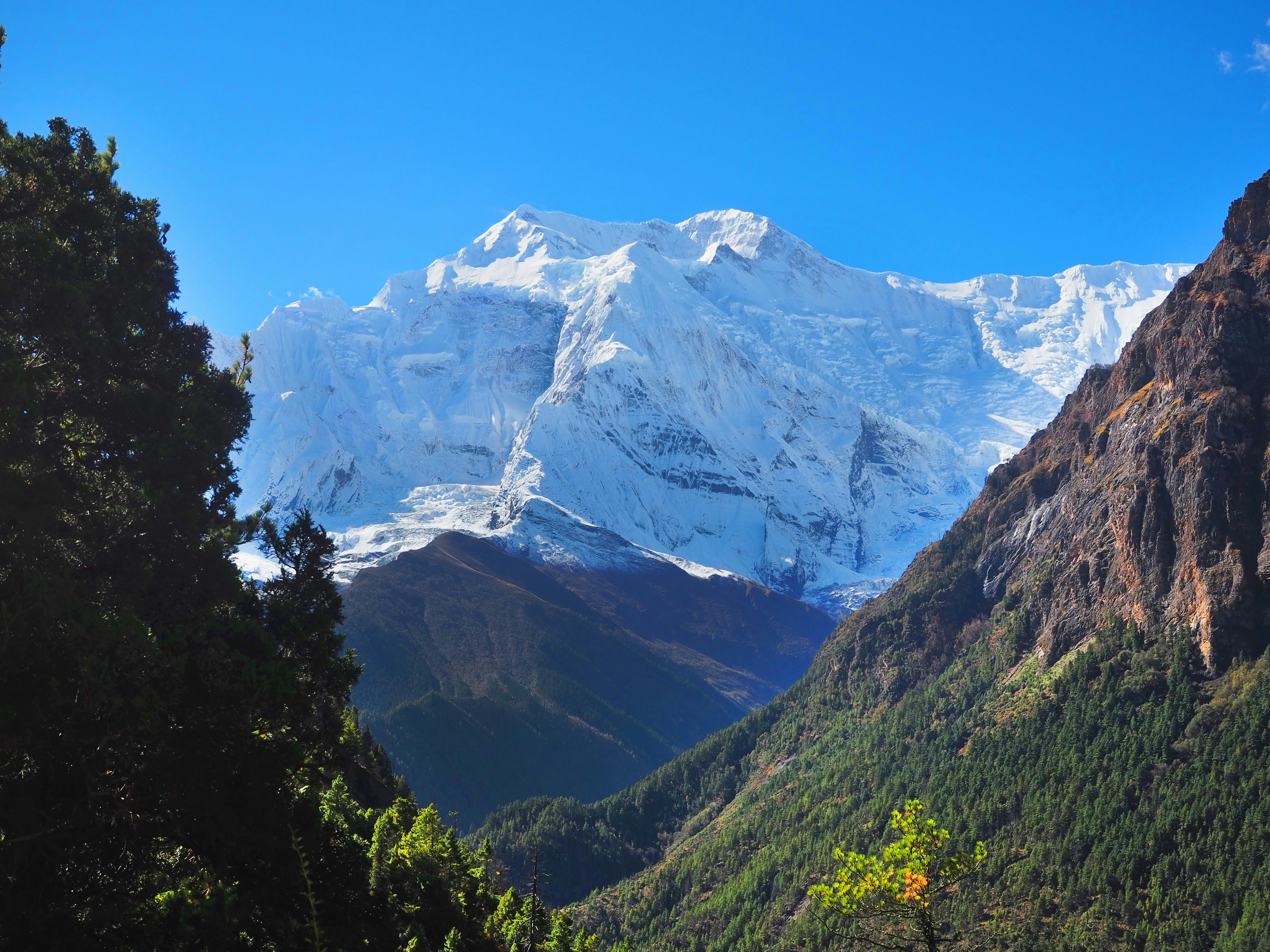
Annapura Mountain Ranges
Conversely, seasoned adventurers often gravitate toward Strenuous to Challenging routes. Navigating iconic paths like Everest Base Camp or the Manaslu Circuit involves traversing rocky moraines, crossing high passes over 5,000 meters, and enduring thin air. These treks require rigorous pre-trip training, focusing on leg strength and aerobic endurance. Mental fortitude is equally essential, as you may face unpredictable weather and basic living conditions in remote teahouses. The reward for this effort is an unparalleled sense of achievement and a front-row seat to the most dramatic geological formations on Earth.