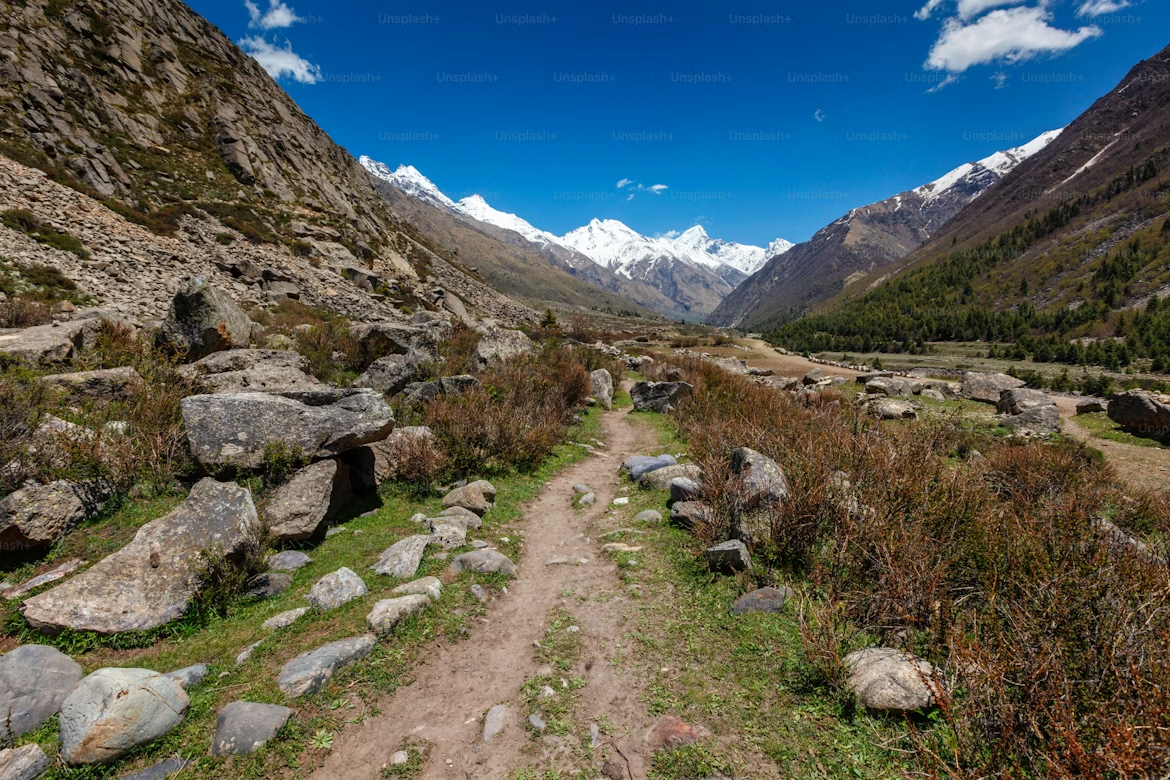
Seasonal Logistics
Best Time to Trek in Nepal
By Himalayan Terrain Team1 min read
A definitive breakdown of the Himalayan seasonal cycles, providing a strategic roadmap for optimal visibility, climate, and trail conditions.
The Himalayas are governed by a rhythmic cycle of monsoons and high-pressure systems that dictate the safety and visibility of every trail. Understanding these windows is the difference between a journey defined by panoramic clarity and one obscured by dense mist. For the discerning trekker, timing is a strategic tool used to balance trail traffic, temperature fluctuations, and the specific aesthetic of the mountain landscape.
The Autumn Gold: October to November
Post-monsoon Autumn is widely considered the pinnacle of the trekking year. As the rains wash the atmosphere of dust and pollutants, the air reaches a level of crystalline transparency that is unmatched. This is the period of high-definition views, where peaks like Ama Dablam and Machhapuchhre appear startlingly close against a deep cobalt sky. While the trails are at their most social, the stability of the weather provides a reliable safety margin for crossing high-altitude passes.
The Vernal Awakening: March to May
Spring offers a softer, more vibrant perspective of the high country. As the winter snow recedes, the lower valleys erupt in the deep crimsons and pinks of blooming rhododendron forests. While the afternoon may bring occasional haze compared to the sharpness of autumn, the temperatures are significantly milder. This is also the primary window for mountaineering expeditions, offering trekkers the unique opportunity to witness the bustling "tent cities" at various Base Camps as climbers prepare for their summits.
The Monsoon Exception: June to August
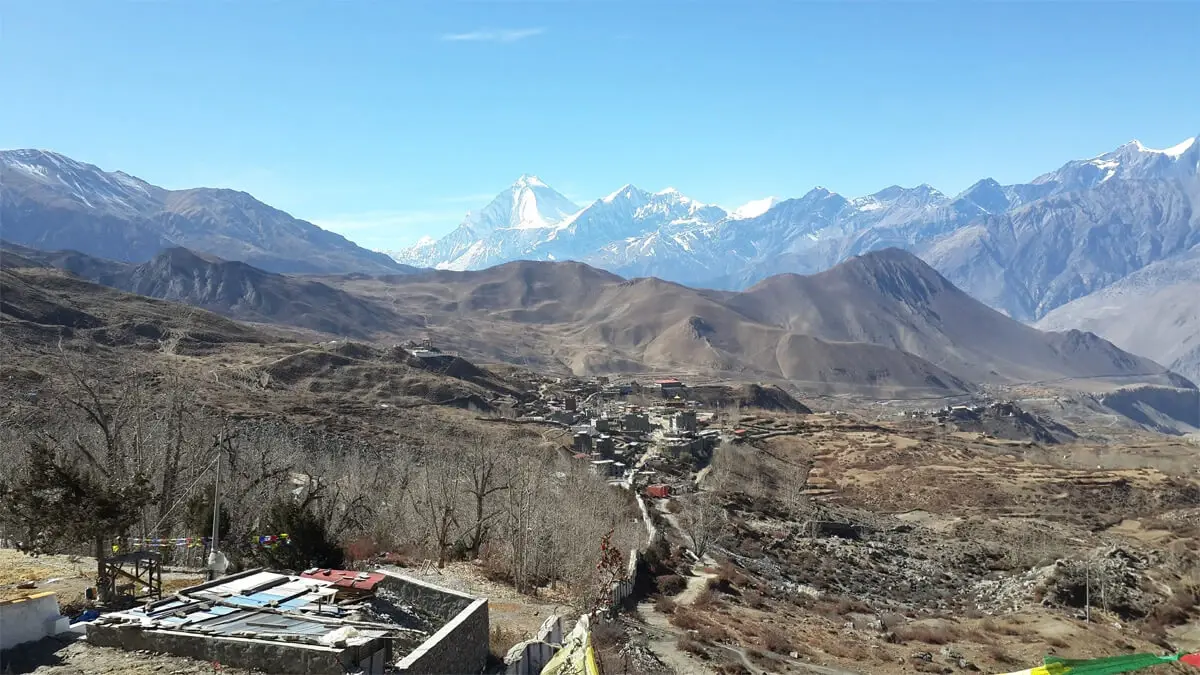
While the monsoon season typically deters travelers due to rain in the south, it reveals a hidden beauty in Nepal’s rain-shadow regions. Areas such as Upper Mustang and Dolpo, shielded by the Great Himalayan Range, remain arid and accessible. For those seeking absolute solitude and a landscape that mimics the Tibetan plateau’s desert-like majesty, the summer months offer a rare, rain-free sanctuary while the rest of the country is shrouded in clouds.